The First 30 Days of Starting a Business: A Week-by-Week Roadmap for Beginners
⭐ Estimated Reading Time: 26-39 minutes
Starting a business is exciting…
But if you’re like most new entrepreneurs, it’s also incredibly overwhelming.
One minute you’re imagining what life could look like as your own boss. The next, you’re staring at dozens of browser tabs wondering:
“Should I build a website first?”
“Do I need an LLC?”
“What should I post on social media?”
“When do I actually start selling?”
“Am I forgetting something important?”
If you’ve ever felt that way, you’re not alone. I have been there…
One of the biggest misconceptions about starting a business is believing you need to have everything figured out before you begin.
The truth?
You don’t need the perfect logo.
You don’t need thousands of followers.
You don’t need expensive software.
And you definitely don’t need to know everything before taking your first step.
What you do need is a roadmap.
The first 30 days of your business lay the foundation for everything that comes after. The decisions you make now—from choosing your niche to building your online presence—can save you months of confusion later.
Instead of trying to do everything at once, imagine knowing exactly what to focus on each week.
That’s exactly what this guide is here to help you do.
By the end of this article, you’ll know how to:
- Build a solid business foundation
- Choose your business direction with confidence
- Create a recognizable brand
- Build your online presence
- Prepare to attract your first customers
- Avoid the most common mistakes new entrepreneurs make
- Feel confident about your next steps
Whether you’re starting a coaching business, launching a blog, opening a digital product shop, becoming a virtual assistant, or finally turning your side hustle into a real business, this roadmap will help you move forward one step at a time.
And remember…
Your goal isn’t to build the perfect business in 30 days.
Your goal is to build momentum.
Small, consistent action beats waiting for perfection every single time.
Let’s get started.
Week 1: Build Your Foundation
The first week isn’t about making everything look pretty.
It’s about building a business that actually has direction.
Many new entrepreneurs jump straight into designing logos or creating Instagram posts because those tasks feel exciting.
But without a clear foundation, it’s easy to spend weeks working on things that don’t actually move your business forward.
Think of Week 1 as laying the concrete before building the house.
Everything else depends on it.
Day 1: Define Your Business Idea
If you’re still deciding what kind of business to start, begin here.
Ask yourself these questions:
- What skills do I already have?
- What problems do people ask me to help solve?
- What topics could I talk about for hours?
- What experience do I already have?
- What type of work do I actually enjoy?
Your business doesn’t have to be completely unique.
It simply needs to solve a problem better, faster, simpler, or in a way that connects with your ideal customer.
Examples include:
- Selling Canva templates
- Virtual assistant services
- Coaching
- Blogging
- Freelance writing
- Graphic design
- Pinterest management
- Social media management
- Digital planners
- Printable products
- Online courses
- Memberships
Don’t overthink this stage.
Your business can evolve over time.
The important thing is choosing a direction so you can start building.
Quick Tip: Write a one-sentence business statement. For example:
“I help busy female entrepreneurs simplify their businesses with easy-to-use templates and systems.”
You don’t need a polished mission statement yet—just enough clarity to guide your decisions.
Day 2: Identify Your Ideal Customer
One of the biggest mistakes new business owners make is trying to help everyone.
When your message is for everyone, it connects with no one.
Instead, picture one specific person you’d love to help.
Think about:
- What does her day look like?
- What goals is she trying to reach?
- What keeps her stuck?
- What does she search for online?
- What would make her life easier?
The more specific you become, the easier it is to create products, services, blog posts, emails, and social media content that truly resonate.
For example, instead of targeting “small business owners,” you might focus on:
- Women starting their first online business
- Coaches launching a new offer
- Bloggers growing Pinterest traffic
- Virtual assistants building a client base
- Digital product creators selling on their own website
When you understand your audience, marketing becomes far less overwhelming because you’re speaking directly to the people who need what you offer.
Day 3: Validate Your Business Idea
Before investing weeks creating products or building a website, take time to make sure people actually want what you’re planning to offer.
Look for signs that demand already exists:
- Search your topic on Google.
- Browse Pinterest for popular ideas.
- Read questions in online communities.
- Explore what people are searching for.
- Study businesses serving a similar audience.
Validation isn’t about copying someone else’s business.
It’s about confirming there’s an audience looking for a solution.
If others are already succeeding in your niche, that’s usually a positive sign—it means there’s demand. Your opportunity is to bring your own perspective, personality, and value.
Day 4: Choose a Business Name
Your business name should be:
- Easy to remember
- Easy to spell
- Relevant to your audience
- Flexible enough to grow with your business
Don’t spend weeks searching for the “perfect” name.
Many successful businesses started with names that simply fit their mission.
Once you’ve narrowed down a few ideas, check:
- Domain name availability
- Social media usernames
- Trademark considerations (if applicable)
Choosing a name is important, but don’t let it become the reason you delay launching.
Day 5: Decide What You’re Selling
Every business needs a clear offer.
Ask yourself:
- Will you sell a service?
- Will you create digital products?
- Will you offer coaching?
- Will you build a membership?
- Will you use affiliate marketing?
- Will you combine multiple income streams?
Your first offer doesn’t have to be your forever offer.
Many successful entrepreneurs refine their products as they learn more about their audience.
The goal is simply to choose one primary way to help people and begin there.
Day 6: Set Your First 90-Day Goals
Instead of focusing on making six figures overnight, create realistic milestones.
Examples include:
- Publish your website.
- Write three blog posts.
- Grow your email list to 100 subscribers.
- Create your first digital product.
- Get your first paying client.
- Publish 50 Pinterest pins.
- Build a consistent weekly content routine.
Clear, achievable goals help you measure progress and stay motivated.
Day 7: Organize Your Business
Before moving into branding and marketing, spend a little time getting organized.
Create folders for:
- Brand assets
- Product ideas
- Blog content
- Photos
- Website copy
- Marketing graphics
- Financial documents
You don’t need complicated systems at this stage. A simple, organized workspace—whether in cloud storage or on your computer—will make future tasks much easier and save you time as your business grows.
Week 1 Quick Win
By the end of your first week, you should have:
- A clear business idea
- A defined target audience
- A validated business concept
- A business name
- Your first offer
- 90-day goals
- An organized workspace
That may not feel like much yet, but you’ve completed the most important step: creating a strong foundation. Everything you build in the weeks ahead will be more focused because you’ve taken the time to plan before jumping into execution.
Feeling like you need a printable version of everything you just mapped out? Download the Business Startup Checklist to keep track of every important task and make sure nothing falls through the cracks. It’s the perfect companion as your work through this 30-day roadmap.
Week 2: Create Your Brand
Congratulations—you’ve made it through the first week.
You now have something many aspiring entrepreneurs never take the time to create: a solid business foundation.
You know who you want to help.
You have a business idea.
You’ve started thinking about your goals instead of simply hoping everything falls into place.
Now it’s time for one of the most exciting parts of building your business…
Creating your brand.
For many new entrepreneurs, branding is the moment when everything starts to feel real. Suddenly you’re choosing colors, brainstorming logos, designing your website, and imagining what your future business will become.
While branding is incredibly fun, it’s also one of the biggest places where new business owners get stuck.
It’s easy to spend three weeks changing fonts.
Or redesigning your logo ten times.
Or buying Canva templates without ever publishing your first piece of content.
Remember this:
Your brand isn’t just what people see. It’s how people feel when they interact with your business.
Your visuals matter, but your message matters even more.
This week, your goal isn’t to build the “perfect” brand.
It’s to build a brand that’s clear, professional, and ready to grow with you.
Day 8: Define Your Brand Personality
Before you choose colors or create a logo, think about how you want people to describe your business.
If someone visited your website for the first time, what would you want them to think?
Examples might include:
- Friendly
- Professional
- Modern
- Encouraging
- Organized
- Trustworthy
- Creative
- Confident
- Luxury
- Minimal
- Fun
- Educational
Choose three to five words that best represent your business.
For example, here at Templates & Toolkits, our brand personality is:
- Friendly
- Encouraging
- Professional
- Feminine
- Educational
These words influence everything—from website copy and emails to Pinterest graphics and product design.
Ask Yourself:
- How do I want customers to feel after visiting my website?
- What kind of experience do I want to create?
- What brands inspire me, and why?
- What makes my business different?
Your answers will become the foundation of your brand voice.
Day 9: Create Your Brand Message
One of the biggest mistakes new entrepreneurs make is talking too much about what they sell instead of the transformation they provide.
People don’t buy products because they’re “pretty.”
They buy them because they solve problems.
Instead of saying:
“I sell Canva templates.”
Try saying:
“I help busy entrepreneurs create professional marketing materials faster so they can spend more time growing their business.”
Notice the difference?
The second version immediately communicates the benefit.
A simple messaging formula you can use is:
I help [who] achieve [desired result] by providing [solution].
Examples:
- I help women start successful online businesses with easy-to-follow business education and templates.
- I help bloggers grow website traffic through Pinterest marketing strategies.
- I help busy business owners save time using ready-made Canva templates.
When your messaging focuses on the customer instead of yourself, people instantly understand why they should keep reading.
Day 10: Choose Your Brand Colors
Color plays a bigger role than many people realize.
It creates consistency, builds recognition, and influences how your audience feels about your business.
You don’t need fifteen different colors.
In fact, a simple palette often looks more polished.
A beginner-friendly palette includes:
- One primary color
- One secondary color
- One accent color
- One light neutral
- One dark neutral
For example:
Primary:
Soft Sage
Secondary:
Warm Beige
Accent:
Dusty Rose
Light Neutral:
Cream
Dark Neutral:
Charcoal
These colors can be used consistently across:
- Your website
- Pinterest graphics
- Social media
- Product mockups
- Lead magnets
- Email headers
- Workbooks
- Sales pages
Branding Tip
Think long term.
Trendy colors come and go, but timeless color palettes help create a recognizable brand that can grow with your business for years to come.
Day 11: Select Fonts That Match Your Brand
Fonts communicate personality just as much as colors do.
Imagine the difference between:
An elegant script font…
A bold modern sans-serif…
Or a playful handwritten font.
Each one creates a completely different impression.
A simple font system might include:
Heading Font
Used for titles and major headings.
Body Font
Used for blog posts, emails, and website text.
Accent Font
Used sparingly for emphasis or decorative elements.
Keep readability in mind.
If visitors struggle to read your content, they’ll likely leave your website before they ever become customers.
Less is often more.
Two complementary fonts are usually enough for an entire brand.
Day 12: Design Your Logo (Without Overthinking It)
Here’s something many successful entrepreneurs won’t tell you:
Your first logo probably won’t be your forever logo.
And that’s perfectly okay.
Some of today’s biggest brands have redesigned their logos multiple times as they’ve grown.
Instead of aiming for perfection, focus on creating something that’s:
- Simple
- Easy to recognize
- Readable
- Scalable
- Timeless
Avoid adding too many icons, flourishes, or decorative elements that may not scale well across different platforms.
Remember, your logo is only one piece of your overall brand.
People will remember the experience you provide far more than the exact shape of your logo.
Day 13: Develop Your Brand Voice
Your brand voice is how your business “sounds.”
Imagine writing every blog post, email, Instagram caption, or Pinterest description as though you’re having coffee with your ideal customer.
Ask yourself:
Would I sound:
- Supportive?
- Educational?
- Funny?
- Straightforward?
- Inspirational?
- Luxurious?
- Friendly?
Consistency matters.
Readers should recognize your writing style no matter where they find you.
For me, when it comes to Templates and Toolkits, I like writing like a knowledgeable business friend who explains things clearly without making your feel intimidated.
Your audience should leave every interaction feeling encouraged and capable—not overwhelmed.
Day 14: Build Your Brand Assets
By the end of Week 2, you should have the essential pieces you’ll use repeatedly as your business grows.
Create a folder containing:
Visual Assets
- Logo files
- Brand colors
- Font list
- Icons
- Photography
- Mockups
Marketing Assets
- Email signature
- Social media profile images
- Pinterest templates
- Instagram templates
- Presentation templates
Writing Assets
- Business description
- Short bio
- Long bio
- Mission statement
- Elevator pitch
- Taglines
- Frequently used calls-to-action
Content Assets
- Blog post templates
- Email templates
- Social media caption templates
- Lead magnet templates
Having these resources organized now will save you countless hours later.
Instead of recreating everything from scratch every time you publish content, you’ll simply pull from your brand library.
Week 2 Branding Checklist
Before moving on to Week 3, make sure you’ve completed these essentials:
✔ Defined your brand personality
✔ Written your brand message
✔ Selected your color palette
✔ Chosen your fonts
✔ Designed a simple logo
✔ Developed your brand voice
✔ Organized your brand assets
Remember, your brand doesn’t need to be perfect before you launch.
Many entrepreneurs delay starting their business because they believe every detail has to be polished first.
The truth is, your brand will evolve naturally as you gain experience, attract customers, and better understand your audience.
Progress will always outperform perfection.
Week 2 Quick Win
At the end of your second week, take a moment to compare where you are now to where you started.
Just two weeks ago, your business may have existed only as an idea.
Now, you’ve begun creating a recognizable identity that customers can connect with. You have a clearer message, a consistent visual direction, and the building blocks of a professional brand.
That’s a huge milestone.
Branding isn’t about looking like everyone else—it’s about creating a business that feels authentic, builds trust, and makes it easy for the right people to say, “This is exactly what I’ve been looking for.”
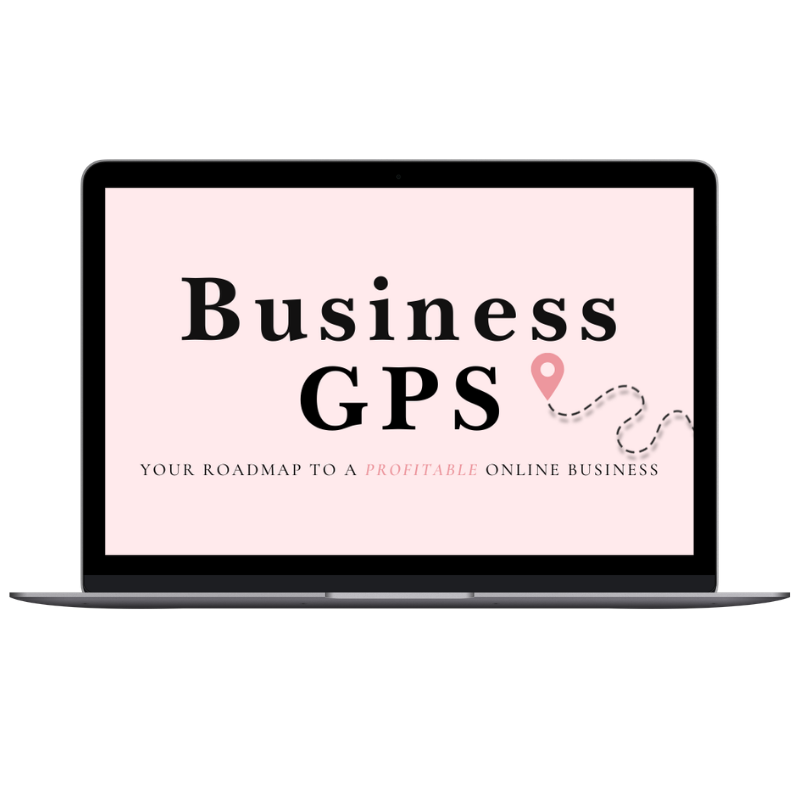
If you’re finding it challenging to connect all of these pieces into one cohesive business plan, this is exactly where Business GPS begins to make a difference. Rather than piecing together advice from dozens of articles, Business GPS walks you through each stage of building your business—from your foundation and branding to your website, marketing, sales, and growth—with templates, worksheets, and step-by-step guidance. If you’re not ready yet, keep following this roadmap, and you’ll have an even better idea of what support you need as your business grows.
Week 3: Build Your Online Presence
By the time you reach Week 3, something exciting starts to happen.
Your business is no longer just an idea scribbled in a notebook.
You’ve built a strong foundation.
You’ve defined your audience.
You’ve created a brand that reflects your vision.
Now it’s time to make your business visible.
For many new entrepreneurs, this stage can feel intimidating.
You might catch yourself thinking:
“What if no one visits my website?”
“I’m not ready to post on social media.”
“What if people judge my work?”
“Should I wait until everything is perfect?”
Here’s the truth every successful business owner eventually learns:
You don’t need to be perfect to be visible.
Your first website won’t be your final website.
Your first blog post won’t be your best blog post.
Your first Pinterest pin won’t go viral overnight.
Every successful entrepreneur started by publishing something imperfect.
The goal this week isn’t to create a massive online presence overnight.
The goal is to create a professional home for your business and begin building marketing assets that will continue working for you long after they’re published.
Think of Week 3 as building the storefront for your online business. Once it’s open, you can continually improve it—but you have to open the doors first.
Day 15: Purchase Your Domain and Website Hosting
One of the best investments you can make early on is purchasing your own domain name.
Having a custom domain immediately makes your business look more professional and trustworthy.
For example:
❌ yourbusiness.wordpress.com
✅ yourbusiness.com
When choosing a domain name:
- Keep it short and memorable.
- Avoid unnecessary numbers or hyphens.
- Make it easy to spell and pronounce.
- Choose a name that can grow with your business.
If possible, secure matching usernames across your social media platforms to create a consistent online presence.
I highly recommend purchasing your domain name separately from your website hosting, as keeping them separate keeps you in control if you ever run into needing to switch hosts.
One of the platforms that I recommend for purchasing your domain name is through Namecheap.
When it comes to website hosting, I highly recommend Big Scoots. I have personally used multiple hosting services and hands down the best I have had and currently use is Big Scoots. The company is very reliable, great site speeds, and customer service has always been top notch.
Beginner Tip
Don’t spend weeks searching for the “perfect” domain name.
If the name reflects your business and is easy to remember, it’s probably a great choice.
Day 16: Build Your Website
Your website doesn’t need dozens of pages to be effective.
In fact, many successful businesses launch with just a handful of essential pages.
Start simple.
Focus on creating a website that’s clear, easy to navigate, and helpful to your visitors.
Essential Website Pages
Home
Your homepage should quickly answer three questions:
- What do you do?
- Who do you help?
- What should visitors do next?
Keep your messaging clear and benefit-focused.
About
People love buying from real people.
Share your story.
Talk about:
- Why you started your business
- Who you help
- What inspired your journey
- What makes your approach unique
You don’t need to write your life story.
Focus on creating connection and trust.
Services or Shop
Whether you’re selling digital products or offering services, make it easy for visitors to understand exactly what you offer.
Each product or service should clearly explain:
- The problem it solves
- Who it’s for
- The transformation it provides
- How to get started
Avoid overwhelming visitors with too many choices.
Contact
Make it easy for people to reach you.
Include:
- Contact form
- Business email
- Social media links (optional)
If someone wants to work with you or ask a question, they shouldn’t have to search for your contact information.
Privacy Policy and Terms
Even if you’re just getting started, these pages help establish credibility and are often required if you’re collecting email addresses or selling products.
Day 17: Start Building Your Email List
One of the biggest mistakes new business owners make is waiting until they have thousands of website visitors before starting an email list.
Instead, begin collecting subscribers from day one.
Why?
Because your email list is something you own.
Unlike social media platforms, you aren’t dependent on changing algorithms or platform updates.
An email list gives you a direct way to connect with your audience, nurture relationships, and introduce new products or services over time.
Two of my favorite email marketing providers that I have used are KIT and Flodesk.
Create a Simple Lead Magnet
Give visitors a reason to join your list.
Your free resource should solve one specific problem quickly.
Examples include:
- Business Startup Checklist
- Social Media Content Calendar
- Pinterest Starter Kit
- Business Planner
- Canva Templates
- Daily Business Checklist
- Launch Checklist
The simpler your freebie, the more likely people are to download it and experience a quick win.
Remember
Your lead magnet isn’t meant to teach everything.
It’s designed to solve one small problem exceptionally well while introducing people to your expertise.
If you’re still building your business foundation, the Business Startup Checklist is a great place to begin. It walks you through many of the essential tasks covered in this roadmap and gives you a printable checklist you can refer back to as you build your business.
Day 18: Create Your First Content Plan
Content marketing is one of the most effective ways to build trust before someone ever buys from you.
Instead of asking:
“What should I post today?”
Start asking:
“What questions does my audience need answered?”
Your content should educate, inspire, and solve problems.
Some beginner-friendly content ideas include:
Blog Posts
- How-to guides
- Tutorials
- Beginner checklists
- Resource lists
- Mistakes to avoid
- Frequently asked questions
- Educational pins
- Step-by-step graphics
- Blog post pins
- Checklist pins
- Infographic pins
- Quick tips
- Behind-the-scenes content
- Client wins
- Educational carousels
- Reels answering common questions
- Weekly tips
- Personal stories
- Business lessons
- Resource recommendations
- Product updates
Content Planning Tip
Choose three to five core content pillars that align with your business.
For example, a business education brand might focus on:
- Business Startup
- Branding
- Marketing
- Digital Products
Having clear content pillars makes brainstorming new ideas much easier and helps establish your authority over time.
Day 19: Learn Basic SEO
Search engine optimization (SEO) might sound technical, but the basics are easier than you think.
SEO simply helps people discover your content when they’re searching for answers online.
Before writing any blog post, ask yourself:
- What would my ideal customer type into Google?
- What question am I answering?
- What problem am I solving?
Then optimize your content by including:
- A clear keyword in the title
- Descriptive headings
- Helpful information
- Internal links to related articles
- Images with descriptive file names and alt text
- A compelling meta description
Remember, Google isn’t looking for the article with the most keywords.
It’s looking for the article that best answers the searcher’s question.
Focus on creating genuinely helpful content, and you’ll be building a strong SEO foundation.
Day 20: Start Using Pinterest as a Search Engine
Many new business owners think of Pinterest as social media.
In reality, it’s much closer to a visual search engine.
People visit Pinterest looking for ideas, solutions, tutorials, and products.
That means your content has the potential to drive traffic for months—or even years—after you publish it.
If you’re just getting started:
- Create Pinterest-friendly blog graphics.
- Write keyword-rich pin titles.
- Optimize your pin descriptions.
- Organize your boards around searchable topics.
- Pin consistently rather than all at once.
Unlike many other platforms, Pinterest content often becomes more valuable over time as it gains visibility in search results.
For businesses that rely on blog traffic or digital product sales, Pinterest can become one of the most effective long-term marketing channels.
Day 21: Publish Something
This is the day many entrepreneurs avoid.
Because publishing feels scary.
It makes everything real.
Maybe your website isn’t perfect.
Maybe your logo still needs tweaking.
Maybe your photos aren’t exactly how you imagined.
Publish anyway.
Launch your website.
Share your first Pinterest pin.
Write your first blog post.
Send your first email.
Introduce yourself on social media.
Momentum comes from action—not endless preparation.
Every successful entrepreneur has looked back at their first website, first product, or first blog post and smiled because they’ve grown so much since then.
You can’t improve what never gets published.
Week 3 Milestone
By the end of Week 3, you should have:
✔ A live website
✔ Your domain connected
✔ Essential website pages published
✔ An email list started
✔ A lead magnet available
✔ Your first content plan
✔ A basic understanding of SEO
✔ A Pinterest account optimized for growth
✔ Your first piece of published content
Take a moment to celebrate this milestone.
Three weeks ago, your business existed only as an idea.
Today, you’ve created a place where potential customers can discover you, learn from you, and begin trusting your expertise.
That’s an incredible accomplishment.
Week 3 Quick Win
One of the biggest mindset shifts you’ll make as a business owner is realizing that visibility creates opportunity.
Customers can’t buy from a business they don’t know exists.
Every blog post you publish…
Every email you send…
Every Pinterest pin you create…
Every helpful piece of content you share…
Becomes another opportunity for someone to discover your business.
Consistency—not perfection—is what builds momentum.
Some of your earliest content may only receive a handful of views.
That’s okay.
Those views represent real people.
Real people who are looking for exactly the solution you’re creating.
Keep showing up.
Keep learning.
Keep improving.
Those small steps compound over time into meaningful business growth.
Looking Ahead
Next week, you’ll shift from building your online presence to preparing for your first customers.
You’ll learn how to:
- Create your first offer with confidence
- Set up simple business systems
- Develop a launch plan
- Build trust before making sales
- Prepare for long-term growth instead of short-term wins
Feeling like you’re juggling a lot of moving pieces? That’s completely normal. Starting a business involves dozens of decisions, and it’s easy to wonder if you’re doing things in the right order. Business GPS™ was designed to remove that uncertainty by giving you a step-by-step roadmap, downloadable templates, and guided lessons that take you from business idea to a sustainable online business. Think of it as your companion for everything that comes after these first 30 days—so you’re never left wondering what to do next.
Week 4: Prepare for Your First Customers
If you’ve made it to Week 4—take a moment to celebrate.
In just a few weeks, you’ve accomplished what many aspiring entrepreneurs spend months thinking about but never actually do.
You’ve:
- Built a strong business foundation.
- Defined your audience.
- Started creating a memorable brand.
- Established your online presence.
- Begun sharing your business with the world.
Now comes the exciting part:
Preparing to welcome your first customers.
This is where many new business owners experience a mix of excitement and nervousness.
You might wonder:
“What if no one buys?”
“What if someone asks a question I can’t answer?”
“What if I launch too soon?”
Those thoughts are completely normal.
The truth is, every successful entrepreneur has experienced those same fears.
The goal isn’t to eliminate uncertainty.
The goal is to build enough confidence and preparation that you’re willing to take the next step anyway.
Week 4 is about creating simple systems, preparing for sales, and making sure your customer experience feels smooth and professional from day one.
Day 22: Refine Your First Offer
Your first offer doesn’t need to be perfect.
It simply needs to solve one clear problem.
Ask yourself:
- What challenge does my customer face?
- What transformation will they experience?
- Why is my solution valuable?
- Is it easy to understand?
A strong offer answers three questions immediately:
- What is it?
- Who is it for?
- Why does it matter?
Avoid trying to include everything.
Instead, focus on delivering one meaningful result really well.
Whether you’re selling a service, digital product, coaching package, or membership, clarity will always outperform complexity.
Day 23: Set Up Simple Business Systems
One of the biggest differences between a hobby and a business is having systems in place.
You don’t need expensive software to get started.
Begin with simple processes that help you stay organized and create a better experience for your customers.
Consider setting up systems for:
Customer Communication
- Contact forms
- Welcome emails
- Frequently asked questions
- Response templates
Finances
- Track income
- Record expenses
- Save receipts
- Separate business and personal finances whenever possible
Content Planning
- Editorial calendar
- Pinterest schedule
- Social media planner
- Email marketing calendar
File Organization
Create folders for:
- Client work
- Digital products
- Branding
- Website images
- Product photos
- Legal documents
- Marketing materials
Simple systems today will save you hours of frustration as your business grows.
Day 24: Build Trust Before You Sell
One of the biggest misconceptions about marketing is believing that people buy simply because they see your product.
In reality, people buy because they trust you.
Before asking for a sale, spend time building relationships by sharing helpful, valuable content.
Some ways to build trust include:
- Answer frequently asked questions.
- Publish educational blog posts.
- Share helpful tips on Pinterest.
- Send useful emails to your subscribers.
- Show behind-the-scenes moments.
- Tell your story and why you started.
When people consistently learn something valuable from your content, they’ll begin to see you as a trusted resource—not just another business trying to make a sale.
Day 25: Prepare for Your First Launch
Launching doesn’t have to mean hosting a huge event or creating weeks of hype.
Your first launch can be as simple as introducing your business to the world.
Create a basic launch plan:
Before Launch
- Finalize your offer.
- Test your website.
- Double-check payment links.
- Review your product or service.
- Prepare your emails.
- Schedule social media content.
- Create Pinterest graphics.
Launch Day
- Publish your announcement.
- Send your email.
- Share on social media.
- Create Pinterest pins.
- Celebrate your accomplishment.
After Launch
- Answer customer questions.
- Collect feedback.
- Make improvements.
- Continue creating helpful content.
Remember, your first launch is just the beginning.
Every launch teaches you something valuable for the next one.
Day 26: Learn to Measure Progress
Success isn’t measured only by sales.
Especially in your first month.
Instead, track metrics that show your business is growing.
Examples include:
- Website visitors
- Email subscribers
- Pinterest impressions
- Blog traffic
- Product views
- Social media engagement
- Customer inquiries
- Discovery calls booked
These numbers help you understand what’s working and where you can improve.
Growth often happens quietly before it becomes obvious.
Day 27: Continue Learning
Running a business is a continuous learning journey.
As your business grows, so will your skills.
Invest time in learning about:
- Marketing
- SEO
- Email marketing
- Customer service
- Pricing
- Sales psychology
- Productivity
- Business systems
The more knowledge you gain, the more confident you’ll become making business decisions.
Day 28: Celebrate Small Wins
Entrepreneurs are often so focused on the next goal that they forget how far they’ve already come.
Take time to celebrate accomplishments like:
- Publishing your website
- Getting your first subscriber
- Receiving your first inquiry
- Creating your first product
- Writing your first blog post
- Posting your first Pinterest pin
- Launching your business
Every milestone matters.
Small wins create momentum.
Momentum creates confidence.
Confidence creates consistency.
Day 29: Create Your Growth Plan
Your first month isn’t the finish line.
It’s the starting point.
Ask yourself:
What do I want to accomplish over the next three months?
Maybe it’s:
- Publish eight blog posts.
- Reach 500 email subscribers.
- Create three digital products.
- Grow Pinterest traffic.
- Book five clients.
- Launch your first course.
Setting clear goals gives your business direction and helps you focus on what truly moves the needle.
Day 30: Keep Going
The final day of your first month isn’t really an ending.
It’s the beginning of your entrepreneurial journey.
By now you’ve built something many people only dream about.
You have:
- A business idea.
- A brand.
- A website.
- Marketing assets.
- Systems.
- A growing audience.
- The confidence to keep moving forward.
Your business won’t become successful because you completed a checklist in 30 days.
It will become successful because you continue showing up after those 30 days are over.
Consistency always beats perfection.
Common Mistakes to Avoid During Your First Month
Every entrepreneur makes mistakes—but knowing what to watch for can help you avoid some of the most common roadblocks.
Trying to Do Everything at Once
You don’t need to master every marketing platform, create ten products, or publish daily on every social media channel.
Choose one or two priorities and build from there.
Waiting for Perfection
Perfection delays progress.
Launch the website.
Publish the blog post.
Share the Pinterest pin.
You’ll improve through action—not endless preparation.
Ignoring Your Audience
Your business isn’t about what you want to create.
It’s about solving real problems for real people.
Listen to your audience.
Pay attention to their questions, struggles, and goals.
Those insights will shape your content, products, and marketing.
Forgetting to Build an Email List
Many new entrepreneurs focus only on social media.
Start growing your email list from day one.
It’s one of the most valuable assets you’ll ever build.
Comparing Yourself to Everyone Else
Someone else’s Chapter 20 is not your Chapter 1.
Every successful business owner once had zero followers, zero customers, and zero sales.
Focus on your own progress.
Your 30-Day Business Startup Checklist
By the end of your first month, aim to complete the following:
Foundation
✔ Choose your business idea
✔ Define your niche
✔ Identify your ideal customer
✔ Validate your offer
✔ Set 90-day goals
Branding
✔ Choose business colors
✔ Select fonts
✔ Create a logo
✔ Develop your brand voice
✔ Write your business description
Online Presence
✔ Purchase your domain
✔ Launch your website
✔ Create essential pages
✔ Start your email list
✔ Create a lead magnet
Marketing
✔ Write your first blog post
✔ Create Pinterest boards
✔ Publish your first pins
✔ Build a content calendar
✔ Learn basic SEO
Launch
✔ Finalize your first offer
✔ Test your checkout process
✔ Announce your business
✔ Continue creating content
✔ Review your first month
Pro Tip: Want a printable version of this checklist? Download the Business Startup Checklist and keep it beside your desk as you work through each milestone. It’s a simple way to stay organized, track your progress, and make sure nothing important gets overlooked.
Frequently Asked Questions
Can I really start a business in 30 days?
Yes—you can absolutely build the foundation of a business in 30 days. While every business grows at its own pace, your first month is enough time to establish your brand, launch a website, begin marketing, and prepare to serve your first customers.
Do I need a business plan before launching?
A formal business plan isn’t required for every business, but having a clear roadmap is incredibly valuable. Defining your goals, audience, offers, and marketing strategy will help you make better decisions and stay focused as your business grows.
Should I create a website or social media first?
If possible, start with your website. Social media platforms can change at any time, but your website is an asset you own. It gives your business a professional home and serves as the central hub for your content, products, and email list.
How much money do I need to start an online business?
The cost depends on the type of business you’re building, but many online businesses can be started with a relatively small investment. Focus on essentials like a domain name, website hosting, and the tools you truly need, then add more resources as your business grows.
What should I focus on after the first 30 days?
Once your foundation is in place, shift your attention to consistent growth. Continue creating valuable content, improving your offers, growing your email list, learning from your audience, and refining your marketing strategy. Small, consistent actions over time often lead to the biggest results.
Final Encouragement
Starting a business can feel overwhelming.
There will always be another course to take.
Another strategy to learn.
Another tool someone says you “have” to buy.
Don’t let that stop you.
Remember where you started.
Thirty days ago, your business may have existed only as an idea.
Today, you’ve created a foundation that you can continue building on for months and years to come.
Your logo doesn’t have to be perfect.
Your website doesn’t have to win design awards.
Your first product doesn’t have to change the world.
What matters most is that you keep moving forward.
Every blog post you publish…
Every email you send…
Every Pinterest pin you create…
Every customer you help…
Brings you one step closer to the business you’ve been dreaming about.
The first 30 days aren’t about building a perfect business.
They’re about building belief in yourself.
Because once you realize you’re capable of taking action, you’ll be amazed by what you can accomplish over the next 30 days, the next year, and beyond.
Ready for What’s Next?
If this 30-day roadmap helped you feel more confident, imagine having a complete step-by-step system to guide you through everything that comes after.
That’s exactly why I created Business GPS.
Business GPS™ is designed to help aspiring entrepreneurs move beyond the basics and build a sustainable, profitable online business with clarity and confidence. Inside, you’ll find guided lessons, practical workbooks, downloadable templates, planning tools, and proven strategies covering everything from branding and websites to email marketing, Pinterest, launches, and long-term business growth.
Instead of wondering what to do next, you’ll have a clear roadmap for every stage of your entrepreneurial journey. Join the Waitlist Today!
And before you dive into Business GPS™, don’t forget to download the free Business Startup Checklist. It’s the perfect companion to this guide and will help you stay organized as you turn your first 30 days into lasting momentum.